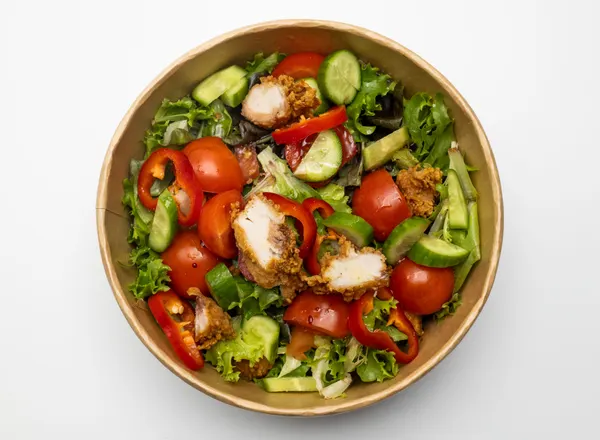
A useful food diary is a record you can learn from. Start small, check portions, and treat calorie totals as estimates rather than a score.
Start with a question, not a perfect number
What would you like your food diary to help you understand? You might want to notice which lunches keep you satisfied, remember what you ate on busy days, or see how your protein intake changes across the week. A specific question gives your entries a purpose.
For a first practice day, choose one meal you already eat regularly. Record the food, the amount, and any drinks or extras. There is no need to redesign your menu before you begin. If you need a personal calorie target, discuss it with a registered dietitian or another qualified health professional; a generic number on a screen is not a personal prescription.
Match the entry to the food on your plate
Look for an entry that describes the food you actually ate. Plain rice, rice cooked with oil, and a prepared rice dish are different entries. For packaged foods, use the package label when you have it. For basic ingredients, a food-composition database can provide a starting estimate.
Check whether the amount refers to raw or cooked food. A cooked portion and the same weight of a dry ingredient are not interchangeable: cooking can change water content and the weight of the finished food. Keep the preparation state and unit together in your diary, such as “cooked rice, 150 g.”
Scale the portion before you save
A serving on a label is a reference amount, not necessarily the amount you ate. Imagine a fictional cereal with 160 calories per 40 g serving. If your bowl contains 60 g, the entry is 1.5 servings, or 240 calories before milk. The arithmetic is 60 ÷ 40 × 160.
Use a kitchen scale if it helps you learn an unfamiliar portion. When you cannot measure, record a reasonable estimate and make that uncertainty explicit. Add items such as dressing, cooking oil, milk in coffee, and sauces as separate entries when they are not already included in the selected food.
Give mixed meals a repeatable method
For a homemade dish, record the ingredients for the batch, then divide the total by the portions you actually make. If you portion by weight, weigh the finished batch and the amount you serve. Our portion-size guide walks through that calculation.
When using a meal photo in Calorify, review the suggested foods and quantities before saving. A photograph cannot reliably show every ingredient, hidden oil, or the weight of each component. Treat the result as a draft that you can correct.
Review patterns, then choose one next step
At the end of a few days, ask what the diary helped you notice. Were your busiest meals the hardest to record? Would checking one frequently used label make future entries easier? Pick a small practical change rather than trying to fix every entry.
NIDDK describes food diaries as a way to notice eating patterns. Tracking is optional, and it should remain useful to you. If logging creates anxiety, guilt, or pressure to restrict food, pause and seek support from a qualified professional.
Sources & further reading
- NIDDK: Health tips for adults ↗
- FDA: Understanding the Nutrition Facts label ↗
- USDA FoodData Central ↗
Written by the Calorify team for general education. Not individualized medical or nutrition advice. The examples are illustrative, not dietary targets. Read our editorial approach.